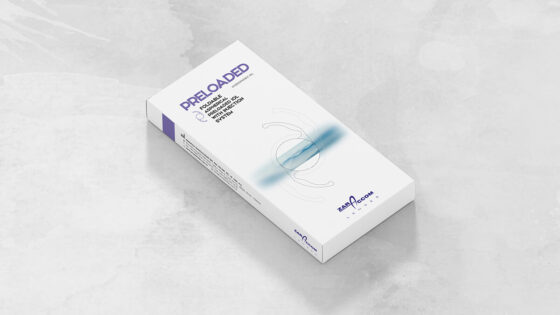


Contact lenses are thin, curved lenses that are placed directly on the surface of the eye to correct vision. They have become a popular alternative to glasses, offering better vision and a wider field of view. They are also more convenient for those who play sports, have an active lifestyle, or simply do not want to wear glasses. In this article, we will discuss the different types of contact lenses available, their benefits and disadvantages, and how to care for them properly.
Types of Contact Lenses:
There are two main types of contact lenses: soft contact lenses and rigid gas permeable (RGP) contact lenses.
Soft contact lenses are made of a soft, flexible material that conforms to the shape of the eye. They are more comfortable to wear than RGP lenses and are often preferred by first-time contact lens wearers. Soft contact lenses come in a variety of types, including daily disposable lenses, weekly or monthly disposable lenses, and extended wear lenses. Daily disposable lenses are designed to be worn once and then discarded, while weekly or monthly disposable lenses can be worn for a longer period before being replaced. Extended wear lenses can be worn continuously for up to 30 days without removal.
Rigid gas permeable (RGP) contact lenses are made of a harder, less flexible material that allows oxygen to pass through to the eye. They are more durable than soft contact lenses and provide sharper vision, especially for those with astigmatism. RGP lenses also tend to last longer than soft lenses and are less likely to tear or rip.
Benefits and Disadvantages of Contact Lenses:
Contact lenses offer several benefits over traditional glasses, including better vision correction, a wider field of view, and more natural vision. They also eliminate the need for bulky glasses, which can interfere with daily activities such as sports or outdoor activities.
However, there are also some disadvantages to wearing contact lenses. Contact lenses can cause dryness, irritation, and redness of the eyes, especially if not cared for properly. They can also cause corneal ulcers or infections if not cleaned or stored properly. Contact lenses also require more maintenance than glasses, including regular cleaning, disinfection, and replacement.
Caring for Contact Lenses:
Proper care and maintenance of contact lenses are essential to ensure their safety and effectiveness. It is important to follow the instructions of your eye doctor or contact lens manufacturer when caring for your lenses.
Here are some general tips for caring for contact lenses:
- Wash your hands thoroughly with soap and water before handling your contact lenses.
- Use a cleaning solution recommended by your eye doctor or contact lens manufacturer to clean your lenses daily.
- Avoid using tap water or saliva to clean your lenses, as this can introduce bacteria into your eyes.
- Always store your contact lenses in a clean, dry case.
- Replace your contact lenses as recommended by your eye doctor or contact lens manufacturer.
Conclusion Contact lenses are a convenient and effective way to correct vision and provide a wider field of view than traditional glasses. However, they require proper care and maintenance to ensure their safety and effectiveness. If you are considering contact lenses, talk to your eye doctor about which type of lens is best for you and how to care for them properly. With proper care, contact lenses can provide clear, comfortable vision for years to come.